Potrzebie
Wednesday, January 26, 2011
I was so much Elder (1921-2008) then; I'm younger than that now. #2

Kickstarter: Chicken Fat


Kickstarter: Chicken Fat


Labels: elder, gaines, hajdu, kurtzman, trump
¶ 8:07 AM 0 comments
Saturday, December 11, 2010
Dig We Must!
 Bill Elder and Harvey Kurtzman introduced Melvin Mole in Mad #2 (December 1952 - January 1953). (See last two pages of "Mole!" below.) Previously, I compared that with the subject of the satire, Chester Gould's Mole in Dick Tracy of 1941-42.
But now take a look at this, which I just ran across. Obviously, Howard Nostrand was influenced by Elder/Kurtzman when he drew this page for Witches Tales #21 (October 1953).


 Three words are missing in the final caption, as evident in the panel at right. Over the years, the rubber cement dried and line corrections fell off the art, sometimes becoming lost.

But now take a look at this, which I just ran across. Obviously, Howard Nostrand was influenced by Elder/Kurtzman when he drew this page for Witches Tales #21 (October 1953).


Labels: elder, kurtzman, nostrand
¶ 1:31 PM 0 comments
Thursday, August 26, 2010
Here are the typical, clean-cut teenagers in Paul Robinson's Etta Kett (March 23, 1959). The strip ran from 1925 until two months after Robinson's death (September 21, 1974).
Not so clean-cut were the teens (below) in the Harvey Kurtzman/Bill Elder Eti Quette, from the second issue of Kurtzman's Trump (March 1957).


Not so clean-cut were the teens (below) in the Harvey Kurtzman/Bill Elder Eti Quette, from the second issue of Kurtzman's Trump (March 1957).


Labels: elder, kurtzman, paul robinson
¶ 6:21 PM 2 comments
Tuesday, February 09, 2010
.


In 1972, after Russ Jones and I edited and designed several issues of Flashback magazine, we started doing a series of stories for Charlton's Ghostly Tales. In November 2008, I posted one of those, "Truck Stop", with the story-behind-the-story. Here's another, "Ghost Artist," which was just reprinted in Craig Yoe's The Art of Steve Ditko, published last month by IDW. Yoe positioned it as the concluding story in the book.
 Russ had once worked as an assistant to Leonard Starr (Mary Perkins On Stage), and we would sometimes trade anecdotes about incidents at the Wally Wood studio and the Leonard Starr studio. These discussions eventually led us to script "Ghost Artist," a satire on the interactions of comic book and comic strip artists with their assistants.
You can spot first name references to Leonard Starr and Charlton editor Sal Gentile. I asked Charlton Spotlight editor-publisher Mike Ambrose about the transition at Charlton of editors Gentile and George Wildman, and he responded, "George's earliest editor credits appear in some of the late 1971 ghost books, and by January 1972 he was credited as editor across the line. Sal Gentile moved up into the magazine division, as had Pat Masulli before him. I don't know what happened to him after that, but he evidently died a few years ago, because I bought a group of his sketches and stuff from an estate sale in December 2002, from a Florida seller."
In the story, the name of comic strip artist Jimmy Elder is not a reference to Bill Elder. It's actually a combination of people Russ knew in the UK film industry--writer-director Jimmy Sangster and writer-producer Tony Hinds, who used the pseudonym John Elder. Sangster and Hinds scripted Dracula, Prince of Darkness (1966). The name of our character Tony Sansom also combines Hinds and Sangster, since John Sansom was a pseudonym used at least three times by Sangster. Further, Russ devised his own pseudonym, Jack Younger, as the flip side of John Elder. In 1976-79, Russ used Jack Younger as his byline on a half-dozen or so horror-fantasy novels, including Claw, Curse of the Pharaohs, Demon, Devlin, Maniac!, Rest in Agony and Satan Sublets. However, to make it even more confusing, there are some comic book stories credited to "Jack Younger" which were actually scripted by me.
The "personal habits" sequence of "Ghost Artist" has specific references to Starr's "French cigarettes" and to Wood's overheated studio and his psychoanalytical reflections. Once Wood went into a self-analysis monolog and later left for an appointment, leaving me and Dom Sileo both working at the studio drawing tables. After some ten minutes passed, Dom said in frustration, "Why does he have to tell us all that?"
The ending of "Ghost Artist" is probably inspired by my memory of "Portrait of the Artist," Harry Harrison's short story about a comic book artist who is replaced by a computer. It was published in the November 1964 issue of The Magazine of Fantasy & Science Fiction and reprinted the following year in New Dreams This Morning, James Blish's memorable anthology of science fiction stories about musicians and artists. (Harrison became familiar with computer theory and gunsight computers during WWII when he was trained to repair the secret Sperry Mark I.)
Since Russ and I had written and illustrated several stories for Charlton by this time, we anticipated doing the artwork for "Ghost Artist," but Wildman instead gave the script to Steve Ditko. I was disappointed we weren't going to illustrate the story, but as you can see, Ditko brought an intensity with a striking contrast between the two characters. He also added a nice touch by making Jimmy Elder a caricature of Russ!
For another Ditko story about a comic book artist, "The Blue Men of Bantro," go to Yoe's arflovers.


In 1972, after Russ Jones and I edited and designed several issues of Flashback magazine, we started doing a series of stories for Charlton's Ghostly Tales. In November 2008, I posted one of those, "Truck Stop", with the story-behind-the-story. Here's another, "Ghost Artist," which was just reprinted in Craig Yoe's The Art of Steve Ditko, published last month by IDW. Yoe positioned it as the concluding story in the book.
 Russ had once worked as an assistant to Leonard Starr (Mary Perkins On Stage), and we would sometimes trade anecdotes about incidents at the Wally Wood studio and the Leonard Starr studio. These discussions eventually led us to script "Ghost Artist," a satire on the interactions of comic book and comic strip artists with their assistants.
You can spot first name references to Leonard Starr and Charlton editor Sal Gentile. I asked Charlton Spotlight editor-publisher Mike Ambrose about the transition at Charlton of editors Gentile and George Wildman, and he responded, "George's earliest editor credits appear in some of the late 1971 ghost books, and by January 1972 he was credited as editor across the line. Sal Gentile moved up into the magazine division, as had Pat Masulli before him. I don't know what happened to him after that, but he evidently died a few years ago, because I bought a group of his sketches and stuff from an estate sale in December 2002, from a Florida seller."
In the story, the name of comic strip artist Jimmy Elder is not a reference to Bill Elder. It's actually a combination of people Russ knew in the UK film industry--writer-director Jimmy Sangster and writer-producer Tony Hinds, who used the pseudonym John Elder. Sangster and Hinds scripted Dracula, Prince of Darkness (1966). The name of our character Tony Sansom also combines Hinds and Sangster, since John Sansom was a pseudonym used at least three times by Sangster. Further, Russ devised his own pseudonym, Jack Younger, as the flip side of John Elder. In 1976-79, Russ used Jack Younger as his byline on a half-dozen or so horror-fantasy novels, including Claw, Curse of the Pharaohs, Demon, Devlin, Maniac!, Rest in Agony and Satan Sublets. However, to make it even more confusing, there are some comic book stories credited to "Jack Younger" which were actually scripted by me.
The "personal habits" sequence of "Ghost Artist" has specific references to Starr's "French cigarettes" and to Wood's overheated studio and his psychoanalytical reflections. Once Wood went into a self-analysis monolog and later left for an appointment, leaving me and Dom Sileo both working at the studio drawing tables. After some ten minutes passed, Dom said in frustration, "Why does he have to tell us all that?"
The ending of "Ghost Artist" is probably inspired by my memory of "Portrait of the Artist," Harry Harrison's short story about a comic book artist who is replaced by a computer. It was published in the November 1964 issue of The Magazine of Fantasy & Science Fiction and reprinted the following year in New Dreams This Morning, James Blish's memorable anthology of science fiction stories about musicians and artists. (Harrison became familiar with computer theory and gunsight computers during WWII when he was trained to repair the secret Sperry Mark I.)
Since Russ and I had written and illustrated several stories for Charlton by this time, we anticipated doing the artwork for "Ghost Artist," but Wildman instead gave the script to Steve Ditko. I was disappointed we weren't going to illustrate the story, but as you can see, Ditko brought an intensity with a striking contrast between the two characters. He also added a nice touch by making Jimmy Elder a caricature of Russ!
For another Ditko story about a comic book artist, "The Blue Men of Bantro," go to Yoe's arflovers.
Ghostly Tales #101 (January 1973)


Labels: blish, charlton, ditko, elder, flashback, gentile, ghost artist, ghostly, harry harrison, hinds, memoir, mike ambrose, russ jones, sangster, yoe, younger
¶ 8:38 AM 5 comments
Wednesday, March 11, 2009
Smitty and Smiddy

Walter Berndt (1899-1979) drew Smitty for more than 50 years. The Smitty daily began November 27, 1922, and the Sunday strip followed three months later on February 25, 1923. Smitty came to an end when Berndt retired in 1973. His memory lives on with the Berndt Toast Gang, a group of Long Island cartoonists who named their organization in his honor.
Here Smitty tries to beat the heat on August 1, 1948:

Smitty is 13-year-old Augustus Smith, an energetic office boy who worked with his boss, Mr. Bailey, and stenographer Ginnie. Then it was home to his family -- Ma, Pa and his four-year-old kid brother, Herby. As the strip progressed, Smitty aged into adolescent adventures, and during the 1950s, he married Ginnie. Herby is featured in both the top and bottom strips on this page from August 2. 1936.
 Bill Elder drew this parody for EC's Panic #4 (August-September 1954):


Walter Berndt (1899-1979) drew Smitty for more than 50 years. The Smitty daily began November 27, 1922, and the Sunday strip followed three months later on February 25, 1923. Smitty came to an end when Berndt retired in 1973. His memory lives on with the Berndt Toast Gang, a group of Long Island cartoonists who named their organization in his honor.
Here Smitty tries to beat the heat on August 1, 1948:

Smitty is 13-year-old Augustus Smith, an energetic office boy who worked with his boss, Mr. Bailey, and stenographer Ginnie. Then it was home to his family -- Ma, Pa and his four-year-old kid brother, Herby. As the strip progressed, Smitty aged into adolescent adventures, and during the 1950s, he married Ginnie. Herby is featured in both the top and bottom strips on this page from August 2. 1936.
 Bill Elder drew this parody for EC's Panic #4 (August-September 1954):

Labels: bailey, berndt, berndt toast gang, elder, ginnie, herby, smitty
¶ 4:41 PM 0 comments
Saturday, February 28, 2009
Huh huh! Dig, Dig, Dig, Dig, Dig!
Chester Gould's The Mole of the early 1940s returns in April when IDW publishes Volume Seven of The Complete Dick Tracy (1941-42). A decade later, the character was the inspiration for Bill Elder and Harvey Kurtzman's Melvin Mole in Mad #2 (December 1952-January 1953). The story "Mole!" was one of the memorable creations of the early Mad, kick-starting the comic book and catapulting it into unexplored valleys obscured by clouds. For an illustrated review of Mad #2, see Eddie Hunter's Chicken Fat.
After one had read "Mole!" and Wally Wood's "Blobs!" (Mad #1), readers had to pick up #3 and #4 just to see what was erupting from the manhole covers at 225 Lafayette Street. What rough beast, its hour come round at last, was slouching towards Madison Avenue to be born? Dig, dig!


. Control click heading above to hear 1948 Spike Jones radio program with guest Peter Lorre.
Chester Gould's The Mole of the early 1940s returns in April when IDW publishes Volume Seven of The Complete Dick Tracy (1941-42). A decade later, the character was the inspiration for Bill Elder and Harvey Kurtzman's Melvin Mole in Mad #2 (December 1952-January 1953). The story "Mole!" was one of the memorable creations of the early Mad, kick-starting the comic book and catapulting it into unexplored valleys obscured by clouds. For an illustrated review of Mad #2, see Eddie Hunter's Chicken Fat.
After one had read "Mole!" and Wally Wood's "Blobs!" (Mad #1), readers had to pick up #3 and #4 just to see what was erupting from the manhole covers at 225 Lafayette Street. What rough beast, its hour come round at last, was slouching towards Madison Avenue to be born? Dig, dig!


©2009 EC Publications
Labels: blobs, chester gould, dick tracy, elder, kurtzman, mole, nostril hair
¶ 9:07 AM 2 comments
Sunday, December 21, 2008
EC Comics: From Here to Nudity #2


The story "A Rottin' Trick!", illustrated by Joe Orlando, was published in EC's Tales from the Crypt 29 (April-May 1952). When the story was reprinted in hardcover in 1979, the larger page size and b/w reproduction on quality paper revealed the artwork in greater detail than was evident in the original comic books on newsprint.
Some noticed unusual human figures cavorting in the fabric design on the drapery in the background of page three. Covered by murky. dark purple ink in the original comic book, these drawings went unseen by both editors and readers in 1952. Given the censorship climate of the 1950s, the discovery then of this single panel could have been devastating for EC publisher Bill Gaines.
Eventually, during the 1980s, someone brought the page to the attention of Gaines, who sent a photocopy to Orlando and demanded an explanation. Orlando responded by writing a letter to Gaines about the artwork on February 29, 1988. The closing sentence about "your brother Rex" is a joke, a reference to a funny hoax Gaines pulled in the 1950s, when he had the Mad office boy convinced that he had an identical twin brother, the evil Rex Gaines, who sometimes visited the Mad office.
This was not the only time a prank was slipped into an EC story. In Frontline Combat 4, the story "Bomb Run," illustrated by John Severin and Bill Elder, has an unusual last panel. It shows a copy of Homer's Odyssey, but the drama of the story is diminished because words from the familiar Ajax Cleanser singing commercial were lettered onto the page of the open book by prankster Elder: "Ajax the foaming cleanser Buh Buh Buh Buh Buh Soaps the dirt right down the drain". Perhaps he assumed that the lettering would reduce and become illegible or that it would be deleted before publication. (The full lyrics went something like this: "Use Ajax (boom boom), the foaming cleanser... (boom bub boom buh boom boom boom) soaps the dirt right down the drain... you'll stop paying the elbow tax when you start cleaning with Ajax! So remember... use Ajax, the foaming cleanser, soaps the dirt right down the drain. bub-bub-bub-bub-bub-bub-boom!") In this case, after EC received a stack of letters from puzzled readers, they apologized in Frontline Combat 6 for their "clumsy oversight".
For the earlier installment on this subject, describing some of the EC art pranks which did not get published, click here.


.


The story "A Rottin' Trick!", illustrated by Joe Orlando, was published in EC's Tales from the Crypt 29 (April-May 1952). When the story was reprinted in hardcover in 1979, the larger page size and b/w reproduction on quality paper revealed the artwork in greater detail than was evident in the original comic books on newsprint.
©2008 WMG
Some noticed unusual human figures cavorting in the fabric design on the drapery in the background of page three. Covered by murky. dark purple ink in the original comic book, these drawings went unseen by both editors and readers in 1952. Given the censorship climate of the 1950s, the discovery then of this single panel could have been devastating for EC publisher Bill Gaines.
Eventually, during the 1980s, someone brought the page to the attention of Gaines, who sent a photocopy to Orlando and demanded an explanation. Orlando responded by writing a letter to Gaines about the artwork on February 29, 1988. The closing sentence about "your brother Rex" is a joke, a reference to a funny hoax Gaines pulled in the 1950s, when he had the Mad office boy convinced that he had an identical twin brother, the evil Rex Gaines, who sometimes visited the Mad office.
This was not the only time a prank was slipped into an EC story. In Frontline Combat 4, the story "Bomb Run," illustrated by John Severin and Bill Elder, has an unusual last panel. It shows a copy of Homer's Odyssey, but the drama of the story is diminished because words from the familiar Ajax Cleanser singing commercial were lettered onto the page of the open book by prankster Elder: "Ajax the foaming cleanser Buh Buh Buh Buh Buh Soaps the dirt right down the drain". Perhaps he assumed that the lettering would reduce and become illegible or that it would be deleted before publication. (The full lyrics went something like this: "Use Ajax (boom boom), the foaming cleanser... (boom bub boom buh boom boom boom) soaps the dirt right down the drain... you'll stop paying the elbow tax when you start cleaning with Ajax! So remember... use Ajax, the foaming cleanser, soaps the dirt right down the drain. bub-bub-bub-bub-bub-bub-boom!") In this case, after EC received a stack of letters from puzzled readers, they apologized in Frontline Combat 6 for their "clumsy oversight".
For the earlier installment on this subject, describing some of the EC art pranks which did not get published, click here.


Labels: ajax, crypt, dc comics, ec, elder, frontline combat, gaines, joe orlando, nudity, prank, severin
¶ 6:15 PM 2 comments
Thursday, August 14, 2008
Michael Dooley on Will Elder

Michael Dooley (The Education of a Comics Artist, Teaching Motion Design) just did an excellent essay on Elder for AIGA (American Institute of Graphic Arts). Click here to read the entire article.
Elder Statesman of Comics
by Michael Dooley (August 12, 2008)
One could do worse than having a comic strip about a bubble-headed blonde that ran in the back pages of Playboy as one’s most well known accomplishment. But if your name was Will Elder, who died May 14 at age 86, you could do a whole lot better. And indeed, although his earlier works are lesser known, they have a much more respectable, and respectful, following.
More than the general public, designers are likely to be familiar with Elder’s brilliant disassembling of the mass media and pop culture in general, starting with Mad in its nascent phase as a 10-cent comic book. Countless comics artists—from Robert Crumb, Kim Deitch and Rick Griffin to Art Spiegelman, Dan Clowes and Chris Ware—have been profoundly affected by his comics, to say nothing of his numerous art department heirs at Mad, the magazine, over the past 50 years.
And his impact doesn’t stop with cartoonists. He’s influenced directors from the Zucker Brothers and Terry Gilliam to Louis Malle, and his anarchic, anything goes sensibility can also be felt in Firesign Theatre records and The Simpsons TV show.

Michael Dooley (The Education of a Comics Artist, Teaching Motion Design) just did an excellent essay on Elder for AIGA (American Institute of Graphic Arts). Click here to read the entire article.
Elder Statesman of Comics
by Michael Dooley (August 12, 2008)
One could do worse than having a comic strip about a bubble-headed blonde that ran in the back pages of Playboy as one’s most well known accomplishment. But if your name was Will Elder, who died May 14 at age 86, you could do a whole lot better. And indeed, although his earlier works are lesser known, they have a much more respectable, and respectful, following.
More than the general public, designers are likely to be familiar with Elder’s brilliant disassembling of the mass media and pop culture in general, starting with Mad in its nascent phase as a 10-cent comic book. Countless comics artists—from Robert Crumb, Kim Deitch and Rick Griffin to Art Spiegelman, Dan Clowes and Chris Ware—have been profoundly affected by his comics, to say nothing of his numerous art department heirs at Mad, the magazine, over the past 50 years.
And his impact doesn’t stop with cartoonists. He’s influenced directors from the Zucker Brothers and Terry Gilliam to Louis Malle, and his anarchic, anything goes sensibility can also be felt in Firesign Theatre records and The Simpsons TV show.
Labels: chicken fat, crumb, dooley, elder, gilliam, mad, malle, ware
¶ 2:32 PM 3 comments
Monday, June 16, 2008
Mad Style Guide
.


 Above is a logo by Harvey Kurtzman showing the mad pursuit of a herd of centaurs. "Peel me another grape, Pocahontong," and click on logo to see the details. [Obscure quote from Mad 11] Control click the Mad Style Guide heading to hear The Stan Freberg Show of October 20, 1957.
As I previously mentioned here, in 1994 I was the editor of the Mad Style Guide which featured various product designs for use in Mad licensing.
This project involved working with several Mad cartoonists to create new art, much of which has never been seen anywhere. So I'm going to post some of it here.
Note the Kurtzman-Elder signature in the lower left corner of this border design, created in the mid-1950s as Mad made the transition from comic book to magazine. However, this is not the same border design that first appeared on Mad #24. Possibly after this was done, Kurtzman decided the little cartoons were so tiny and detailed that he needed a border design less complicated. Certain picture ideas, such as "The Factory," were retained in the final version (yet totally redone by Elder). This was created at a time when the long-run radio programs had vanished as millions purchased television sets, so the picture for "Radio" shows attic mice tuning in a cobweb-covered radio.
Click to enlarge. I've scanned the b/w page extremely large so details will not get lost.


 Above is a logo by Harvey Kurtzman showing the mad pursuit of a herd of centaurs. "Peel me another grape, Pocahontong," and click on logo to see the details. [Obscure quote from Mad 11] Control click the Mad Style Guide heading to hear The Stan Freberg Show of October 20, 1957.
As I previously mentioned here, in 1994 I was the editor of the Mad Style Guide which featured various product designs for use in Mad licensing.
This project involved working with several Mad cartoonists to create new art, much of which has never been seen anywhere. So I'm going to post some of it here.
Note the Kurtzman-Elder signature in the lower left corner of this border design, created in the mid-1950s as Mad made the transition from comic book to magazine. However, this is not the same border design that first appeared on Mad #24. Possibly after this was done, Kurtzman decided the little cartoons were so tiny and detailed that he needed a border design less complicated. Certain picture ideas, such as "The Factory," were retained in the final version (yet totally redone by Elder). This was created at a time when the long-run radio programs had vanished as millions purchased television sets, so the picture for "Radio" shows attic mice tuning in a cobweb-covered radio.
Click to enlarge. I've scanned the b/w page extremely large so details will not get lost.
Labels: elder, kurtzman, logo, mad style guide
¶ 8:32 AM 2 comments
Saturday, May 17, 2008
I was so much Elder (1921-2008) then; I'm younger than that now.


 Will Elder, one of the great funnymen of the 20th Century, died on Thursday. He could draw anything and make it funny. He took whatever Harvey Kurtzman came up with and carried it one step further.
How influential was Will Elder? Even film directors took a cue from him. In Louis Malle's Zazie dans le métro (1960) one scene is an Elder-style situation translated to live-action comedy with background action upstaging the foreground. Psychology Today once ran an illustration homage to Elder's memorable "Mole!" (Mad #2). In the 1950s, when other comic book publishers attempted to duplicate the success of Mad by spewing forth such titles as Wild, Crazy, Eh! and Madhouse, they focused on Elder's panels and had their cartoonists do chaotic backgrounds filled with silly signs and bad puns. But that only made it clear that they did not see funny the way Elder did.
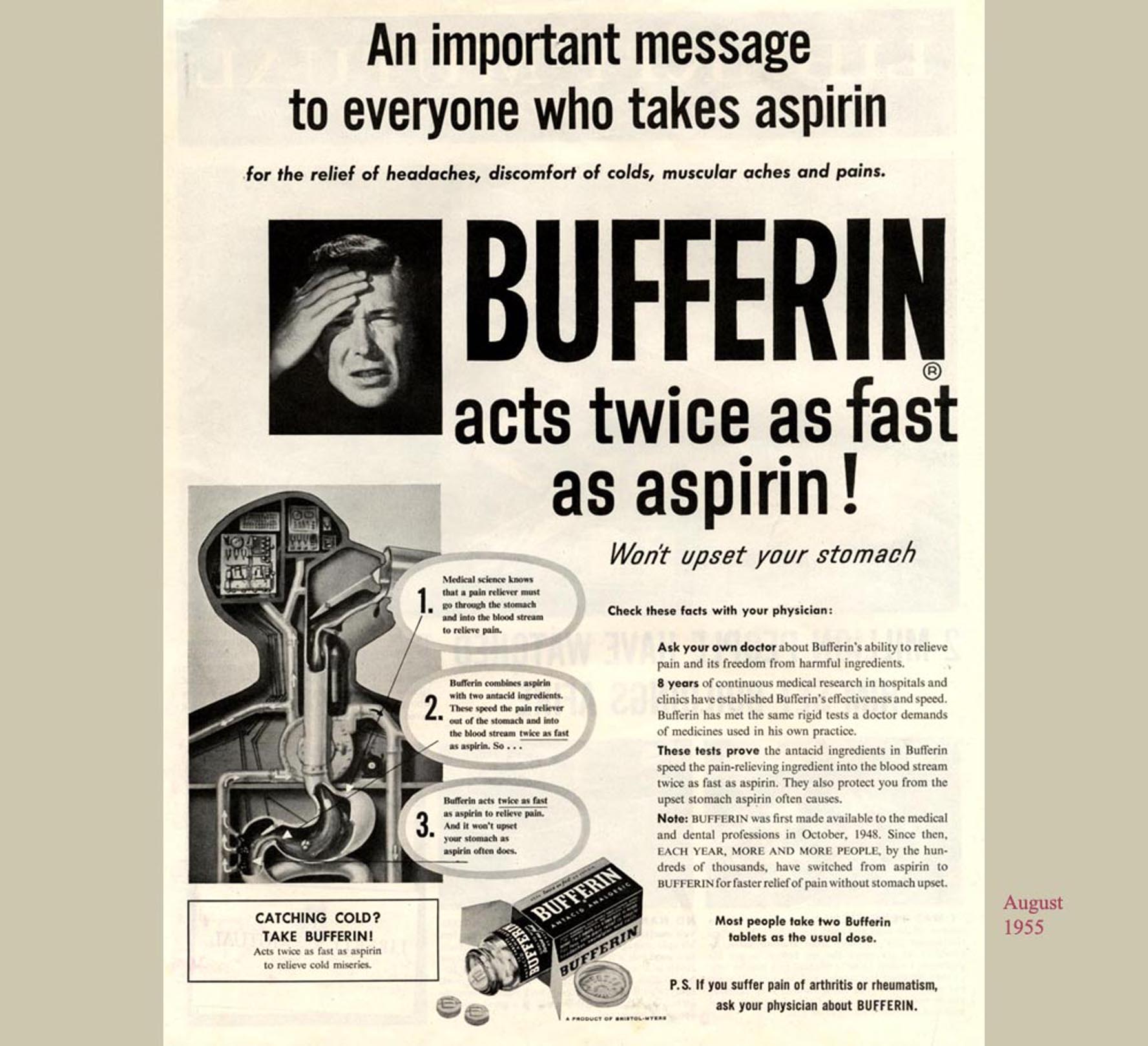
"Restaurant!" is from Mad #16 (October 1954). When you click on the splash panel to expand it to immense size, amazing details are revealed, and you can also see that he did not cheat. Almost every character has an extreme action or gag. A dog and an open mouth hint at the RCA Victor trademark. Two characters imitate the Kilroy nose pose, famed from WWII when the UK's Chad character was joined with the signature of Quincy, Massachusetts shipyard inspector J.J. Kilroy. Stanley Link's Ching Chow stands framed in the doorway (not unlike being framed by panel borders). On the wall is a giant ad for Bufferin. A woman wears a teapot on her head. The fan blows a man's false teeth from his mouth. Almost like a puzzle, the guy in the pink shirt conceals the scissors he used to clip the girl's hair ribbon to make his tie. The reader becomes aware of panels within panels and stories within stories.
To Elder it was only logical that Terry Lee and Pat Ryan from Terry and the Pirates would go to a Chinese restaurant in the comic book world. And in a real life restaurant, Elder once stood at the cash register and pulled lettuce from his wallet. What those other comic book publishers failed to understand was that Elder viewed life itself as the true theater of the absurd.
Curiously, most of the obits and tributes over the past few days make little or no mention of the superb work the team of Elder and John Severin did in the early 1950s with Severin penciling and Elder inking on stories for EC's two war comics (Frontline Combat, Two-Fisted Tales) and EC's science fiction, notably on two Ray Bradbury stories, "The Million Year Picnic" (Weird Fantasy 21, September 1953) and "King of the Grey Spaces" (Weird Fantasy 19, May 1953).

For more on Elder, take a look at Eddie Hunter's Chicken Fat, a blog named after one of Elder's familiar running gags. For more on Elder's influence, see the journal of William Stout and the Vancouver Art Gallery. The New York Times carried his obituary, "Will Elder, Cartoonist of Satiric Gifts and Overpopulated Scenes, Dies at 86," by William Grimes on Sunday.
Elder influence on Firesign Theatre album cover illustration by William Stout.
In Gary Vandenbergh's film, Will Elder: The Mad Playboy
of Art (2002), Kurtzman and Elder discuss their working methods.


Mad pages ©2008 EC Publications.


 Will Elder, one of the great funnymen of the 20th Century, died on Thursday. He could draw anything and make it funny. He took whatever Harvey Kurtzman came up with and carried it one step further.
How influential was Will Elder? Even film directors took a cue from him. In Louis Malle's Zazie dans le métro (1960) one scene is an Elder-style situation translated to live-action comedy with background action upstaging the foreground. Psychology Today once ran an illustration homage to Elder's memorable "Mole!" (Mad #2). In the 1950s, when other comic book publishers attempted to duplicate the success of Mad by spewing forth such titles as Wild, Crazy, Eh! and Madhouse, they focused on Elder's panels and had their cartoonists do chaotic backgrounds filled with silly signs and bad puns. But that only made it clear that they did not see funny the way Elder did.
"Restaurant!" is from Mad #16 (October 1954). When you click on the splash panel to expand it to immense size, amazing details are revealed, and you can also see that he did not cheat. Almost every character has an extreme action or gag. A dog and an open mouth hint at the RCA Victor trademark. Two characters imitate the Kilroy nose pose, famed from WWII when the UK's Chad character was joined with the signature of Quincy, Massachusetts shipyard inspector J.J. Kilroy. Stanley Link's Ching Chow stands framed in the doorway (not unlike being framed by panel borders). On the wall is a giant ad for Bufferin. A woman wears a teapot on her head. The fan blows a man's false teeth from his mouth. Almost like a puzzle, the guy in the pink shirt conceals the scissors he used to clip the girl's hair ribbon to make his tie. The reader becomes aware of panels within panels and stories within stories.
To Elder it was only logical that Terry Lee and Pat Ryan from Terry and the Pirates would go to a Chinese restaurant in the comic book world. And in a real life restaurant, Elder once stood at the cash register and pulled lettuce from his wallet. What those other comic book publishers failed to understand was that Elder viewed life itself as the true theater of the absurd.
Curiously, most of the obits and tributes over the past few days make little or no mention of the superb work the team of Elder and John Severin did in the early 1950s with Severin penciling and Elder inking on stories for EC's two war comics (Frontline Combat, Two-Fisted Tales) and EC's science fiction, notably on two Ray Bradbury stories, "The Million Year Picnic" (Weird Fantasy 21, September 1953) and "King of the Grey Spaces" (Weird Fantasy 19, May 1953).

For more on Elder, take a look at Eddie Hunter's Chicken Fat, a blog named after one of Elder's familiar running gags. For more on Elder's influence, see the journal of William Stout and the Vancouver Art Gallery. The New York Times carried his obituary, "Will Elder, Cartoonist of Satiric Gifts and Overpopulated Scenes, Dies at 86," by William Grimes on Sunday.
Elder influence on Firesign Theatre album cover illustration by William Stout.
In Gary Vandenbergh's film, Will Elder: The Mad Playboy
of Art (2002), Kurtzman and Elder discuss their working methods.

Labels: bradbury, chicken fat, ec, elder, kurtzman, little orphan annie, louis malle, mad
¶ 7:14 AM 8 comments